


Look, I’m going to make a confession right now. I am not a natural organizer. In fact, my console table—you know, that skinny table right by the entrance?—used to be a scene of utter, relentless chaos. Keys, stacks of mail, weird random bits I’d collected… it was just a visually exhausting mess. This table was the very first thing you saw walking into my home, and frankly? It gave me a feeling of deep, quiet dissatisfaction every single time.
The Chaos of Accessories: My Personal Confession and the ‘Quiet Texture’ Principle for Console Tables
Then, I discovered a game-changing trick: The ‘Quiet Texture’ Principle. This isn’t just about removing stuff; it’s about making sure that everything you put on that surface exists in a silent, almost whisper-like harmony. This principle doesn’t try to eliminate the mess; it transforms the potential for clutter into a thoughtful, elegant simplicity.
What does this actually mean in practice? For me, it means acknowledging the architectural weight of the console and balancing it out with every single object I place on it.
Stopping the Clutter: How ‘Quiet Texture’ Actually Works
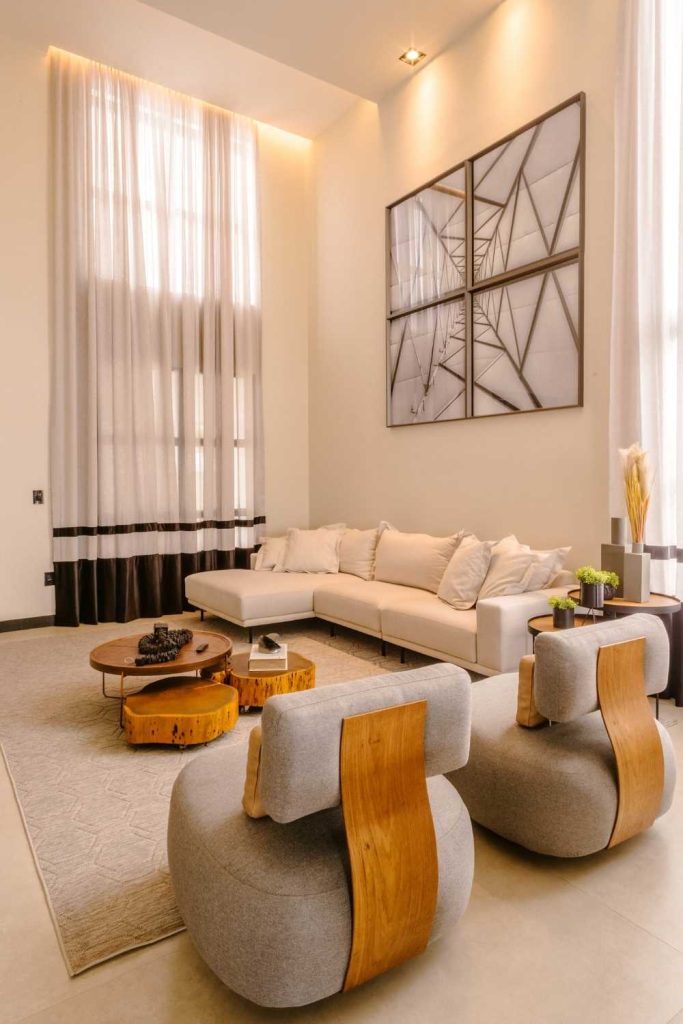
With this principle, you ruthlessly avoid loud, high-contrast, or shiny colors that scream for attention. Instead, the real charm of the accessories comes entirely from the texture of their surfaces. This creates a sense of peace that you feel with your fingertips, instead of visual warfare.
- The Golden Rule: Clash the Texture, Never the Colour!
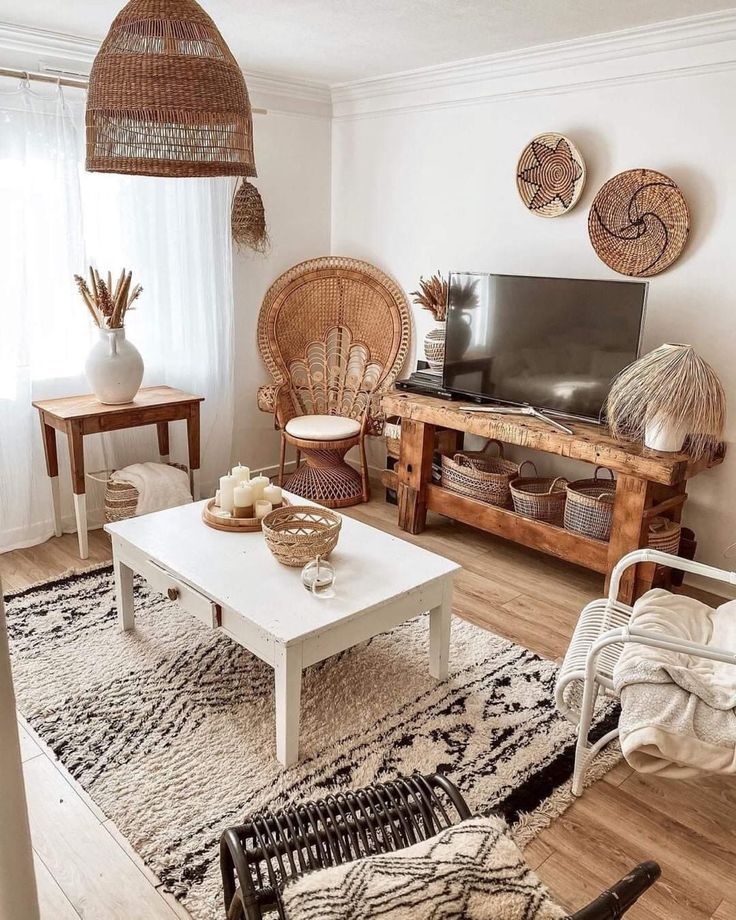
This is my biggest game-changing trick, seriously. I never use more than three or four different colours on my console. It’s typically built around neutrals: cream, beige, deep wood tones. But I use texture limitlessly:
Porous Ceramics: Take the bowl where I dump my keys. It’s never shiny glass; it’s a matte, gritty, handmade ceramic bowl. When you touch it, you should feel that deep, quiet satisfaction.
Heavy Wood: The little riser where I put my candles or diffuser. It’s not flimsy metal; it’s a heavy, strongly-grained block of dark walnut. This instantly adds weight and serious drama to the table.
Raw Stone: I use a piece of unpolished, roughly-edged stone weight to hold down the mail (yes, I still get mail!). It doesn’t look man-made; it looks like it was yanked straight from a riverbed.
And frankly? The combination of these textures—matte ceramic, grained wood, and rough stone—doesn’t tire the eye. Quite the opposite; it invites your gaze to linger and makes everything feel exactly where it’s supposed to be.
- Using the Space Architecturally (Think Vertical)
Console tables are usually long but shallow. If you keep everything flat, it instantly feels cluttered again. So, vertical layering is non-negotiable!
My personal prescription: A tall, but thin vase. It shouldn’t have fussy flowers; just a few dried wheat stalks or maybe one single, tall, custom ceramic object. This draws the eye upwards, distracting it from the busy surface below.
And, of course, the mirror. I always put a round or arched mirror above the table (square mirrors are just so exhausting!). This mirror softly reflects all those textures around it. This reflection, instead of doubling the visual clutter, gives me a feeling of profound peace.
- The Emotional Quotient (Personal Items)
This simplicity principle doesn’t mean you have to exile all personal objects. No! It just means you have to be incredibly selective and ruthless.
For me, only two personal objects are allowed on that table:
A small, hand-painted, matte beach stone from the first holiday my husband and I took.
A simple, black-and-white photograph in a darkened, tarnished bronze frame from my childhood.
These two objects aren’t bright or loud. Their emotional depth comes from their quiet textures. They are emotional anchors. Every day when I look at them, I get an instant moment of profound peace and happiness. Everything else (the keys, the coins) gathers around these two quiet sentinels.
When you apply this simple, honest principle, your console stops being just a catch-all for junk. It transforms into a high-style sanctuary that greets you when you walk in, offering a sense of deep, honest satisfaction. And trust me, that feeling of profound peace is utterly priceless.


