


Look, let’s be real. We’re living in an era of utter chaos when it comes to design. Fast trends flash and die, leaving us with homes that feel… temporary. I’ve seen it myself: that relentless, desperate chase for the next “it” thing. But what I want to talk about—the profound peace I’ve finally found—is staking a claim on something that lasts: timeless elegance. The secret, the truly game-changing trick, is pairing two elements that have history, permanence, and a quiet, undeniable beauty: wood and natural stone.
My Deep, Quiet Satisfaction with the Real Deal
Seriously, the elegance of this duo is rooted in its authenticity. I realized that manufactured stuff just leaves me cold. Think about it: Wood brings this incredible warmth, this life, with a grain pattern that literally tells a story of growth and time. Then you have stone, which introduces this cool, honest solidity, mineral depth that grounds everything. When I put them together, my space doesn’t just look sophisticated; it feels reassuringly grounded, like a deep breath. This isn’t just about décor; it’s about crafting a little sanctuary that whispers of permanence. I want to show you how to pull this off so your home stops protesting the changing seasons and just is.
The Warm Invitation: Wood That Begs to Be Touched
Crucially, the enduring charm begins with how these materials play off each other, almost like a conversation. Wood, particularly in rich, matte finishes—think dark walnut, smoky oak, or the deep beauty of teak—is your softening, warm element. For me, this is where the invitation lies. I love seeing it in furniture that actively invites touch, like my heavy-legged dining table or the deep, low-slung frames of my sofas. The warmth isn’t accidental; it makes the piece accessible and welcoming.
And frankly? You need to avoid the high gloss. That polished, shiny look feels dated and frankly, a bit sterile. Instead, go for oil-rubbed or waxed surfaces. Why? Because the wood’s natural texture needs to remain palpable. That’s where the life of the material resides: in those visible knots, the subtle color shifts, its ability to age gracefully. This intentional softness is the perfect foil for the cool rigidity of the stone.
The Immovable Anchor: Stone’s Sculptural Presence
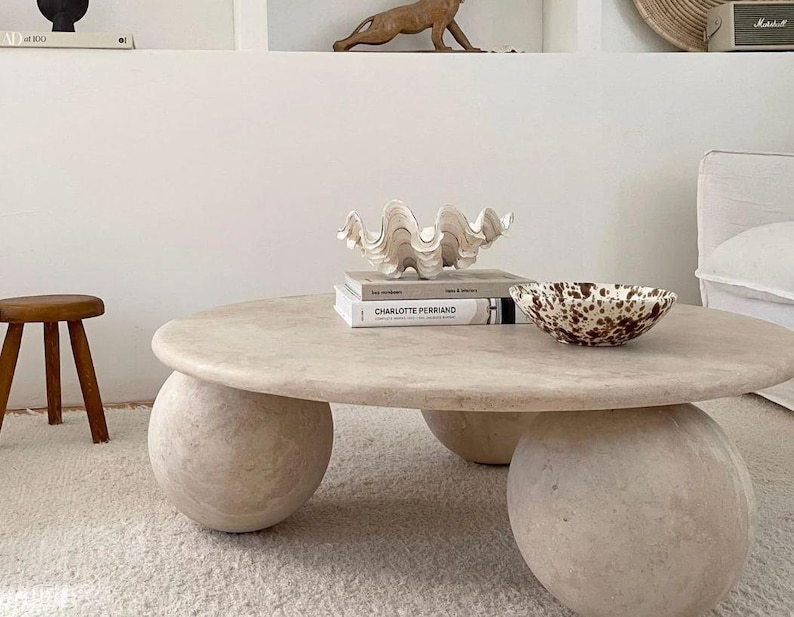
The counterpoint to the wood’s warmth is the cool, immovable presence of natural stone. These pieces introduce an element of sculptural permanence, anchoring the room with a weight you can feel. My current preference leans towards materials with visible veining and muted color palettes, like travertine, a honed limestone, or a subtly marbled stone. I use these where I want structure and coolness: thick coffee table tops, substantial fireplace surrounds.
The real beauty of stone—what makes my furniture genuinely unique—is its inherent imperfection. No two slabs of travertine or marble are the same. But here’s the trick to keep it timeless: a honed or matte finish is paramount. High gloss screams “90s,” removing it allows you to truly appreciate the stone’s tactile, mineral quality.
When I place a smooth, cool stone surface atop a warm, dark wooden base—say, my thick walnut legs supporting a travertine console—the two materials engage in a perfect aesthetic dialogue. The wood elevates the stone; the stone provides a cool, sophisticated weight. This juxtaposition of mineral stability and organic life is, simply put, the essence of timeless design.
Finishing Touches: Keeping the Focus
Finally, integrating this elegance requires attention to everything else, otherwise, the design will just feel… off. The key is using other materials that complement, but do not compete. Textiles should be chosen for their honest texture: raw linens, heavy wools, and deep cotton velvet in soft, earthy neutrals (clay, taupe, deep grey). These fabrics visually resonate with the wood and stone and provide the necessary softness to prevent the room from feeling too stark or cold.
For metal accents, I choose darkened bronze or brushed brass and use them sparingly for hardware or lighting. They offer a sophisticated, muted gleam that reflects the texture of the stone and the richness of the wood, rather than creating a distracting, high-shine glare. By keeping the accessory palette restrained and tactile, you ensure that the star remains the foundational pairing. The resulting space is not just decorated, but architecturally grounded—a lasting sanctuary that will endure long after current trends have faded into history.


