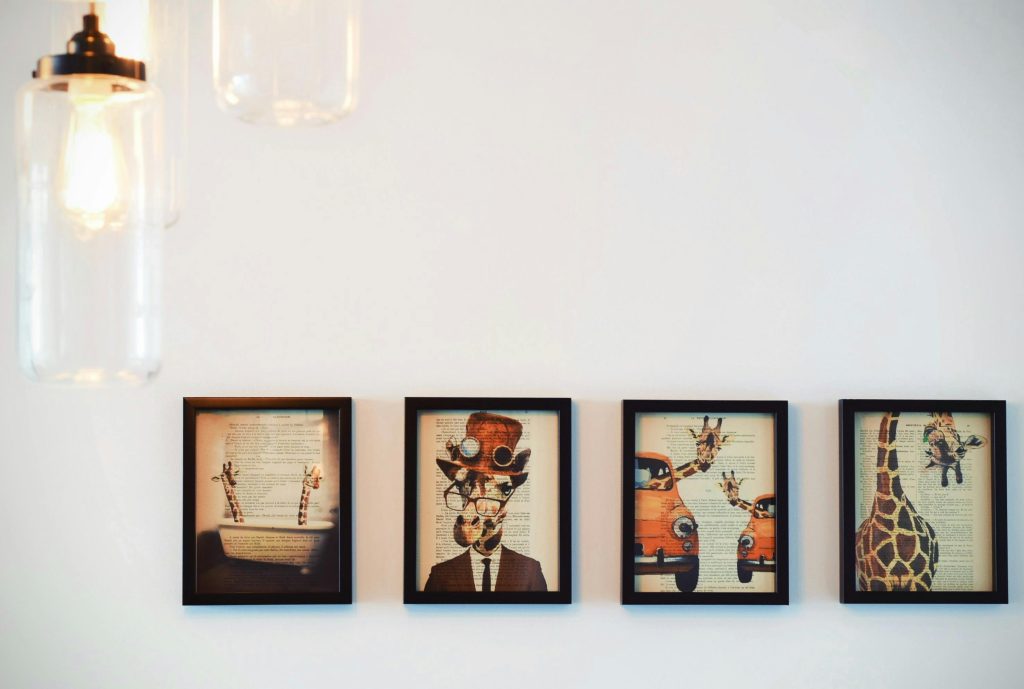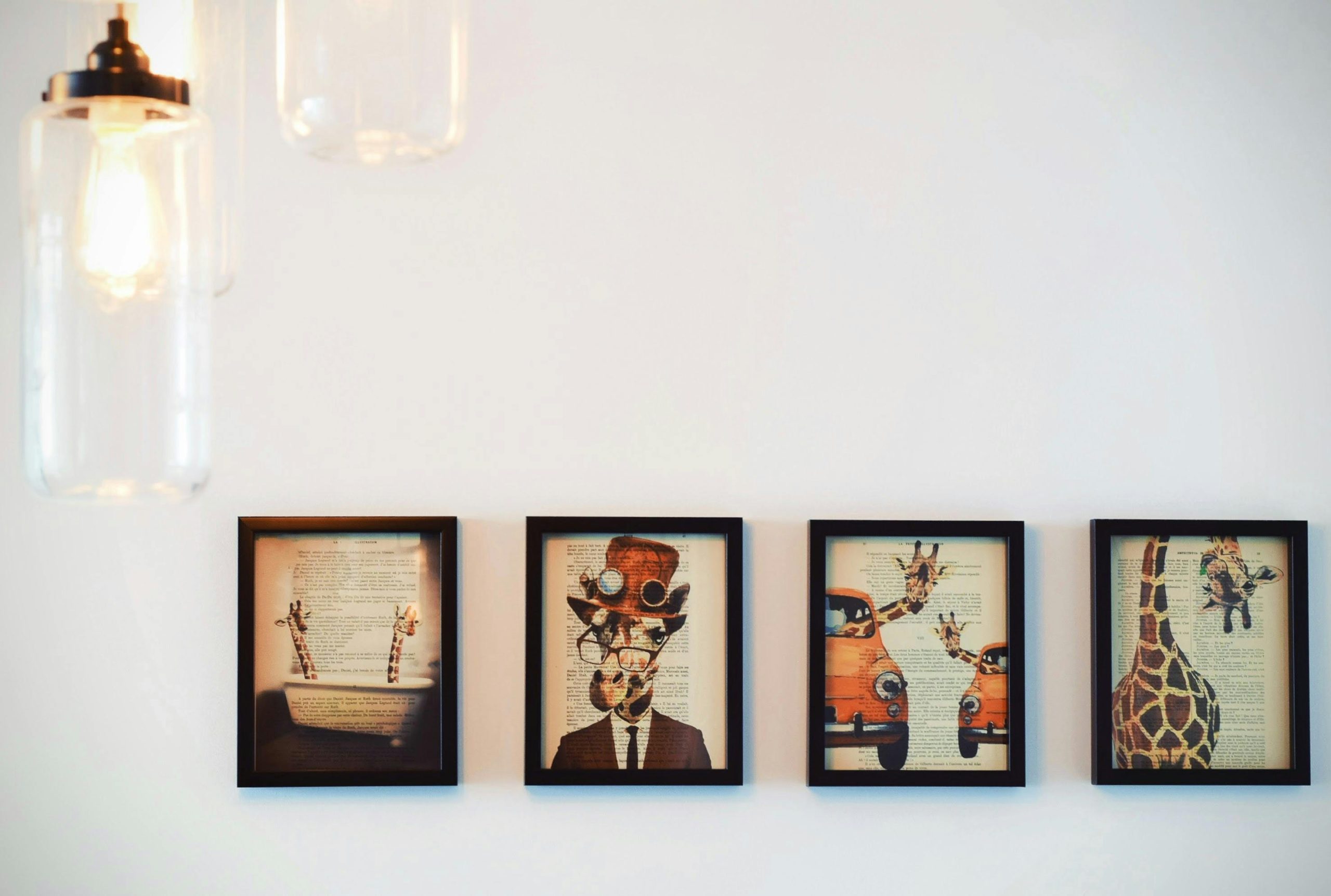
Wall hangings are an essential element of home decor, offering a unique way to add personality, style, and character to any space. The right piece can transform a blank wall into a focal point, setting the tone for the entire room. However, with so many options available, choosing the perfect wall hanging can feel overwhelming. By considering factors like room size, style, and function, you can find the ideal piece that complements your space beautifully.
Decorating your walls is one of the most effective ways to transform a room from plain and functional into a space full of personality and charm. While furniture and color schemes set the foundation of interior design, wall hangings serve as the finishing touches that bring everything together. However, selecting the right piece isn’t always as simple as choosing something you like. To achieve a balanced and stylish look, it’s important to consider the style of the room, the function of the space, the size and placement of the wall art, and how its materials, colors, and themes integrate with your overall decor.
Below, we’ll dive deep into each of these aspects, guiding you through a step-by-step approach that ensures your wall hangings feel intentional, cohesive, and truly reflective of your taste.
Match Wall Hangings to the Style and Purpose of the Room
The first and most essential step in selecting wall decor is understanding the purpose and atmosphere of the room. Each space in your home has its own role, and the art you choose should enhance that role rather than conflict with it.
- Living Rooms: Often considered the heart of the home, living rooms are where families gather, friends socialize, and relaxation happens. Because of this, the wall art in a living room should act as a statement. Large-scale pieces—such as oversized abstract paintings, bold graphic prints, or textured tapestries—can become conversation starters. These pieces not only fill large wall spaces but also add a sense of drama and personality that reflects your household.
- Bedrooms: Unlike living rooms, bedrooms are personal sanctuaries where calmness and intimacy take priority. When choosing wall hangings for a bedroom, think of serenity. Botanical prints, minimalist line drawings, or soft watercolor landscapes work beautifully to foster a restful atmosphere. Rather than bold statements, these walls should radiate calm energy, helping you wind down after a busy day.
- Kitchens and Dining Areas: These are the heart of nourishment and togetherness, and they lend themselves to playful or thematic artwork. Rustic wooden signs with inspirational quotes, food-inspired art, or even vintage culinary posters can add warmth and charm. If your dining room leans toward formal, you might choose elegant framed prints or subtle patterns that complement your table setting.
- Home Offices: A home office thrives on focus and creativity. Motivational prints, modern abstract designs, or even a gallery of framed photographs can bring inspiration without distracting from work. Artwork in these rooms should be energizing but not overwhelming.
- Hallways and Entryways: These transitional spaces are often overlooked but hold great potential. Because these areas are smaller and passed through quickly, a collection of small, eye-catching prints or mirrors can make a big impression. Wall hangings here should act as a welcoming gesture, setting the tone for the rest of the home.
By carefully matching your wall hangings to the purpose of the room, you ensure that each space feels intentional and complete.
Consider Size, Placement, and Proportions
Wall decor is not just about the design—it’s also about how it fits in the space. The size and placement of a wall hanging can dramatically affect the overall aesthetic of the room.
- Oversized Pieces for Large Rooms: In expansive living rooms or open-plan layouts, oversized wall art can serve as a central focus point. These large pieces prevent the walls from feeling empty and create a sense of balance in proportion to the furniture.
- Smaller Pieces for Compact Rooms: In contrast, small rooms benefit from modestly sized hangings that don’t overpower the limited wall space. Instead of a single large item, you can experiment with clusters of smaller works arranged in a gallery wall style. This not only adds visual interest but also makes the room appear thoughtfully curated.
- Correct Height Matters: The placement of wall art is as important as its size. A common mistake is hanging pieces either too high or too low. A general rule is to place the center of the artwork at eye level, which is typically around 57 to 60 inches from the floor. This ensures that the piece feels naturally integrated into the space rather than floating awkwardly.
- Above Furniture Guidelines: If you’re placing artwork above a sofa, bed, or console table, leave about 6 to 12 inches of space between the top of the furniture and the bottom of the wall hanging. This creates a balanced look without crowding the furniture. For wider furniture, make sure the wall art spans about two-thirds the width of the piece below it for harmonious proportions.
These guidelines ensure that your wall decor doesn’t just look good individually but also enhances the entire spatial layout.
The third step in selecting wall hangings is to align them with the materials, colors, and themes already present in your room.
- Materials: The material of the artwork can dramatically shift the mood. For instance, metal wall sculptures or geometric designs fit perfectly in modern and industrial-style homes, while woven macramé or rattan pieces align with bohemian and eclectic spaces. Canvas paintings or framed photography are versatile and timeless, working in almost any style of home.
- Colors: Your wall art should either harmonize with or intentionally contrast against the existing color palette. In a neutral-toned room, a brightly colored painting can serve as a focal point and energize the space. On the other hand, in a colorful or patterned room, subtle and muted tones can bring balance, preventing the area from feeling chaotic.
- Themes: Themes help create continuity. For example, a beach-inspired home might use coastal prints, seashell motifs, or ocean-hued abstract designs. Meanwhile, a home with rustic decor might showcase landscapes, vintage signage, or nature-inspired imagery. If your taste leans toward contemporary, abstract designs or cultural motifs can express individuality while remaining sophisticated.
When chosen thoughtfully, the combination of materials, colors, and themes transforms wall decor from a simple accessory into an integral part of your home’s identity.
The Power of Personalization
While design rules are helpful, the most meaningful wall hangings are those that reflect your personal story. Photographs, travel souvenirs, or custom-made pieces can instantly add authenticity to your space. A gallery wall featuring family photos or art collected during travels tells visitors who you are and makes your home uniquely yours.
Personalization ensures that your decor is not just stylish but also emotionally resonant. After all, the walls of your home should speak about your journey, interests, and values.
Choosing the perfect wall hanging goes beyond picking a piece you find visually appealing. It’s a careful process that balances the purpose of the room, the size and placement of the artwork, and how its materials, colors, and themes interact with the broader design. Whether you’re aiming to make a bold statement in the living room, create a restful retreat in the bedroom, or add charm to your kitchen, the right wall decor can elevate the ambiance.
Ultimately, wall hangings are an opportunity to express your personality while enhancing the beauty and functionality of your space. By taking time to consider these details, you can create a home that feels not only stylish and inviting but also uniquely your own. With the perfect wall art, every room tells a story—and every wall becomes a canvas for self-expression.